
Why “Cozy Games” Are Taking Over: The Surprising Shift in What Gamers Want in 2026. The gaming world in 2026 looks very different from what many people expected just a few years ago. For decades, blockbuster titles built around competition, combat, speed, and high-stakes action dominated the industry. But now, a new category is leading the conversation: cozy games.
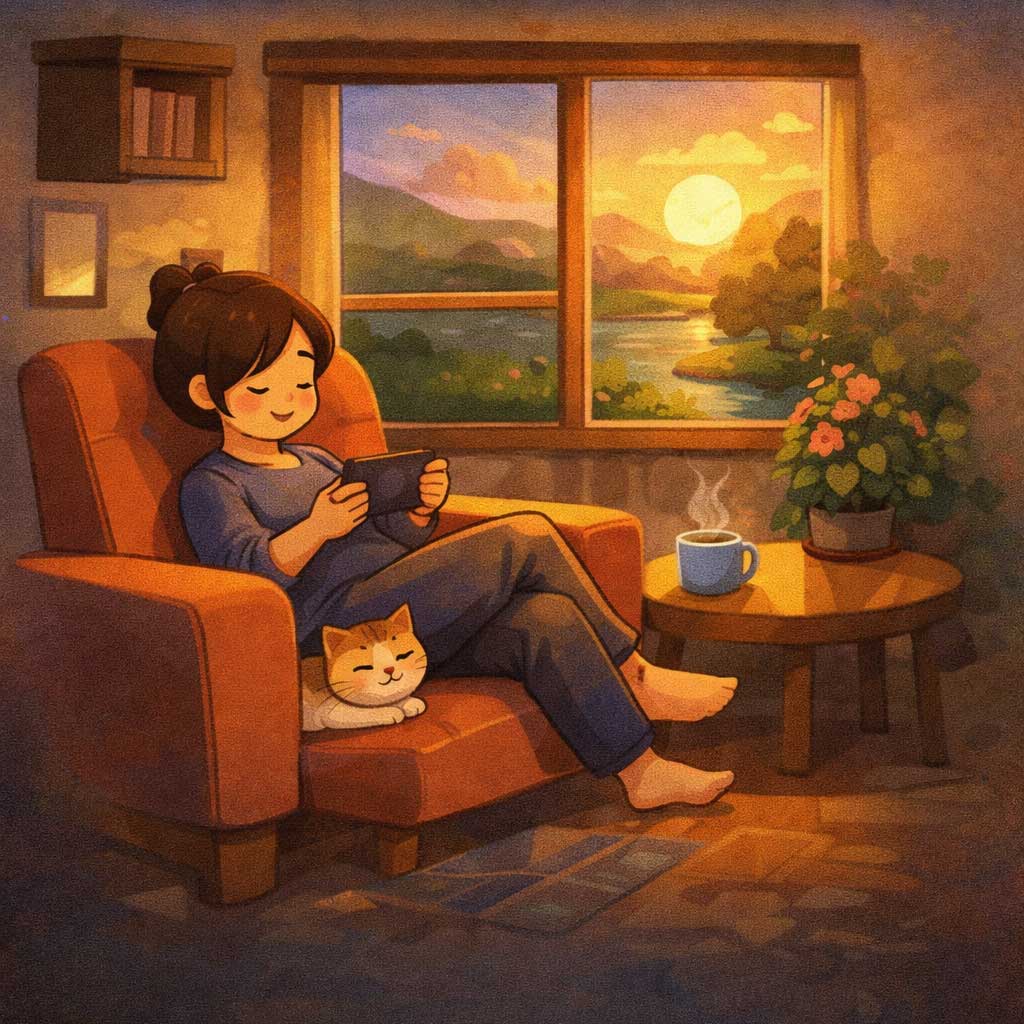
From farming sims and life simulators to puzzle adventures and gentle exploration games, cozy gaming has grown from a niche trend into a major force. Players are spending more time with games that help them relax, connect, and slow down. So why are cozy games taking over in 2026? The answer says a lot about how gamer preferences are changing.
What Are Cozy Games?
Cozy games are titles designed to create a sense of comfort, calm, and low-pressure enjoyment. They often feature:
– Soft visuals and warm art styles
– Relaxing music and ambient sound design
– Non-violent or low-stakes gameplay
– Open-ended progression
– Activities like decorating, farming, crafting, fishing, collecting, or building relationships
Popular examples of cozy games include farming simulators, town-building games, story-rich indie adventures, and wholesome management games. While the exact definition can vary, the core appeal is simple: these games feel good to play.
Why Cozy Games Are So Popular in 2026
The rise of cozy games is not random. It reflects broader cultural shifts, new gaming habits, and a growing demand for entertainment that supports emotional well-being.
Gamers Want Relaxation, Not Just Adrenaline
One of the biggest reasons cozy games are booming in 2026 is that players are actively seeking stress relief. Many people already deal with constant notifications, work pressure, economic uncertainty, and digital overload in everyday life. After a long day, not everyone wants a punishing competitive match or a difficult boss fight.
Cozy games offer something different: a safe, rewarding space where progress feels gentle instead of exhausting. Watering crops, decorating a small cottage, or helping friendly NPCs can feel more satisfying than high-intensity gameplay.
Mental Wellness Is Shaping Game Choices
In 2026, conversations around mental health and gaming are more mainstream than ever. Players are paying closer attention to how games make them feel. Instead of only asking whether a game is exciting, many now ask whether it is soothing, emotionally meaningful, or restorative.
Cozy games fit perfectly into this shift. They provide:
– Predictable routines
– Positive feedback loops
– Low-pressure goals
– Comforting environments
– A sense of control and stability
For many players, cozy games are part of a self-care routine. They are no longer seen as “less serious” games. In fact, their emotional value is one of their strongest selling points.
The Audience for Gaming Has Expanded
Another major reason cozy games are taking over is that gaming itself has become more inclusive. The average gamer in 2026 is more diverse in age, background, and experience than ever before. Not every player wants fast reflexes, steep learning curves, or aggressive competition.
Cozy games are often more accessible to:
– New gamers
– Older players
– Busy adults
– Players who prefer solo experiences
– People looking for social but non-competitive play
This wider appeal has helped cozy games grow beyond indie communities and into the mainstream. They are attracting people who may not have identified as gamers in the past.
Social Media Helped Cozy Games Go Mainstream
Cozy games are especially well-suited for modern content platforms. On TikTok, YouTube, Instagram, and streaming platforms, cozy gameplay is highly shareable. Viewers enjoy watching peaceful routines, beautiful customization, and satisfying progression.
Aesthetic Appeal Drives Discovery
Games with charming art styles, cottagecore vibes, pastel color palettes, and cute character designs perform extremely well online. A short clip of a player decorating a tiny virtual bookstore or harvesting pumpkins at sunset can capture attention instantly.
This visual appeal has made cozy games highly discoverable, especially among audiences looking for relaxing content.
Streamers and Creators Changed the Narrative
Influencers and streamers have also helped redefine what “good gaming” looks like. Instead of focusing only on skill-heavy, high-energy games, many creators now build communities around comfort, storytelling, creativity, and slower gameplay.
That visibility matters. It has helped legitimize cozy games as a major genre rather than a side category.
Game Developers Are Responding to the Demand
As player interest has grown, developers and publishers have taken notice. In 2026, cozy games are no longer limited to small indie releases. Larger studios are investing in cozy mechanics, relaxed progression systems, and emotionally warm storytelling.
Even Big Studios Are Adding Cozy Features
Many mainstream games now include elements once associated mostly with cozy titles, such as:
– Home decorating
– Crafting systems
– Relationship building
– Open-ended exploration
– Low-stress side activities
This shows how much consumer demand has changed. Even action and adventure franchises are borrowing from the cozy game formula to appeal to players who want balance.
Indie Developers Still Lead Innovation
At the same time, indie creators remain at the heart of the cozy gaming movement. Smaller studios are often more willing to experiment with personal storytelling, unique art direction, and creative low-stakes mechanics.
That innovation keeps the genre fresh and helps it evolve beyond farming and life sims into new subgenres.
Cozy Games Reflect a Bigger Cultural Shift
The popularity of cozy games in 2026 is really part of a larger trend. Across entertainment, people are gravitating toward content that feels comforting, meaningful, and emotionally safe. The success of cozy books, slow living content, casual crafting hobbies, and nostalgic media all point in the same direction.
Gaming is simply catching up to a wider desire: people want joy without pressure.
Players Want Agency Without Burnout
A key reason cozy games resonate so strongly is that they let players feel productive without feeling overwhelmed. You can complete small tasks, personalize a space, build relationships, and see progress at your own pace.
That sense of agency is powerful. In a world that often feels chaotic, cozy games provide manageable goals and rewarding routines.
Are Cozy Games the Future of Gaming?
Cozy games may not replace action, shooter, or competitive titles entirely, but they are clearly shaping the future of the industry. They have proven that gamers do not only want challenge and spectacle. They also want softness, creativity, and calm.
In 2026, the rise of cozy games reveals something surprising but important: modern players are redefining what gaming should deliver. It is no longer just about winning or surviving. Sometimes, it is about slowing down, feeling safe, and enjoying a peaceful virtual world.
Final Thoughts
The cozy gaming boom is more than a passing trend. It reflects changing lifestyles, evolving player expectations, and a deeper understanding of how games fit into everyday well-being. As more gamers prioritize relaxation, emotional comfort, and accessible play, cozy games are becoming one of the most important genres in the industry.
If 2026 has made one thing clear, it is this: the future of gaming is not only louder and faster. It is also softer, kinder, and a lot cozier.
